BACKYARD BIRD ADVENTURES

  • Home
  • Our Birds!
    • Blackbird, Red-Winged 🆕
    • Bluebird, Eastern
    • Bunting, Painted
    • Cardinal, Northern
    • Catbird, Gray 🆕
    • Chickadee, Carolina
    • Cowbirds, Brown-Headed (Sigh....☹)
    • Crows (All)
    • Doves, Mourning
    • Eagle, Bald
    • Finch, House
    • Flicker, Northern
    • Flycatcher, Great-Crested
    • Geese, Canadian
    • Goldfinch, American
    • Gnatcatcher, Blue-Gray
    • Grackles (All)
    • Gulls. (All)
    • Hawk, Cooper's
    • Hawk, Red-Shouldered
    • Hawk, Red-Tailed
    • Hawk, Sharp-Shinned
    • Hummingbird, Ruby-Throated
    • Jay, Blue
    • Junco, Dark-Eyed
    • Kingbird, Eastern
    • Kinglet, Ruby-crowned
    • Kite, Mississippi 🆕
    • Kite, Swallow-Tailed 🆕
    • Mockingbird, Northern
    • Nuthatch, Brown-Headed
    • Nuthatch, White-breasted 🆕
    • Oriole, Baltimore, Not the team)
    • Oriole, Orchard 🆕
    • Osprey
    • Robin, American
    • Sapsucker, Yellow-Bellied
    • Starling, European
    • Sparrow, Chipping
    • Sparrow, House
    • Sparrow, White-throated
    • Stork, Wood
    • Titmouse, Tufted
    • Thrasher, Brown
    • Towhee, Eastern
    • Vultures, (All Types)
    • Warbler, Black and White
    • Warbler, Northern Parula
    • Warbler, Orange-crowned
    • Warbler, Pine
    • Warbler, Yellow-Rumped
    • Warbler, Yellow-Throated
    • Waxwing, Cedar
    • Woodpecker, Downy
    • Woodpecker, Pileated🆕
    • Woodpecker, Red-Bellied
    • Woodpecker Red-Headed
    • Wren, Carolina (South Carolina State Bird)
  • Getting Started Backyard Birdwatching
  • Bird Identification
  • Favorite Bird Stuff
  • News from the Nest
  • Birds Behaving Badly
  • Fantastic Fledges
  • Birding Field Trips
    • Egret Rookery in Socastee
    • Huntington Beach State Park, SC
    • Myrtle Beach State Park, SC
    • Heritage Shores Nature Preserve, NMB, SC
    • Kiawah River, Charleston, SC
    • Murrells Inlet, SC
    • Awendaw, SC Conservation Center & Center for Birds of Prey
    • Nicaragua Trip
    • Kiawah Island, SC
    • Topsail Island, NC
    • Caribbean and South Pacific
    • Briarcliff Acres, North Myrtle Beach, SC
    • Waccamaw National Wildlife Refuge, Conway, SC
    • Lewis Ocean Bay Heritage Preserve, Myrtle Beach, SC
    • Everglades, Florida
    • Central Park, NY
  • About Us
  • FIND THE BIRD
  • UFFO
  • Feeder Cam Recordings
  • Why Do Birds Matter?
  • Home
  • Our Birds!
    • Blackbird, Red-Winged 🆕
    • Bluebird, Eastern
    • Bunting, Painted
    • Cardinal, Northern
    • Catbird, Gray 🆕
    • Chickadee, Carolina
    • Cowbirds, Brown-Headed (Sigh....☹)
    • Crows (All)
    • Doves, Mourning
    • Eagle, Bald
    • Finch, House
    • Flicker, Northern
    • Flycatcher, Great-Crested
    • Geese, Canadian
    • Goldfinch, American
    • Gnatcatcher, Blue-Gray
    • Grackles (All)
    • Gulls. (All)
    • Hawk, Cooper's
    • Hawk, Red-Shouldered
    • Hawk, Red-Tailed
    • Hawk, Sharp-Shinned
    • Hummingbird, Ruby-Throated
    • Jay, Blue
    • Junco, Dark-Eyed
    • Kingbird, Eastern
    • Kinglet, Ruby-crowned
    • Kite, Mississippi 🆕
    • Kite, Swallow-Tailed 🆕
    • Mockingbird, Northern
    • Nuthatch, Brown-Headed
    • Nuthatch, White-breasted 🆕
    • Oriole, Baltimore, Not the team)
    • Oriole, Orchard 🆕
    • Osprey
    • Robin, American
    • Sapsucker, Yellow-Bellied
    • Starling, European
    • Sparrow, Chipping
    • Sparrow, House
    • Sparrow, White-throated
    • Stork, Wood
    • Titmouse, Tufted
    • Thrasher, Brown
    • Towhee, Eastern
    • Vultures, (All Types)
    • Warbler, Black and White
    • Warbler, Northern Parula
    • Warbler, Orange-crowned
    • Warbler, Pine
    • Warbler, Yellow-Rumped
    • Warbler, Yellow-Throated
    • Waxwing, Cedar
    • Woodpecker, Downy
    • Woodpecker, Pileated🆕
    • Woodpecker, Red-Bellied
    • Woodpecker Red-Headed
    • Wren, Carolina (South Carolina State Bird)
  • Getting Started Backyard Birdwatching
  • Bird Identification
  • Favorite Bird Stuff
  • News from the Nest
  • Birds Behaving Badly
  • Fantastic Fledges
  • Birding Field Trips
    • Egret Rookery in Socastee
    • Huntington Beach State Park, SC
    • Myrtle Beach State Park, SC
    • Heritage Shores Nature Preserve, NMB, SC
    • Kiawah River, Charleston, SC
    • Murrells Inlet, SC
    • Awendaw, SC Conservation Center & Center for Birds of Prey
    • Nicaragua Trip
    • Kiawah Island, SC
    • Topsail Island, NC
    • Caribbean and South Pacific
    • Briarcliff Acres, North Myrtle Beach, SC
    • Waccamaw National Wildlife Refuge, Conway, SC
    • Lewis Ocean Bay Heritage Preserve, Myrtle Beach, SC
    • Everglades, Florida
    • Central Park, NY
  • About Us
  • FIND THE BIRD
  • UFFO
  • Feeder Cam Recordings
  • Why Do Birds Matter?
Shape Divider - Style tilt

our bird identification process

​Job 12:7-10,  But ask now the beasts, and they shall teach thee; and the fowls of the air, and they shall tell thee: Or speak to the earth, and it shall teach thee: and the fishes of the sea shall declare unto thee. ​WHO KNOWETH NOT IN ALL THESE THAT THE HAND OF THE LORD HATH WROUGHT THIS? IN WHOSE HAND IS THE SOUL OF EVERY LIVING THING, AND THE BREATH OF ALL MANKIND.

Shape Divider - Style triangle_asymmetrical
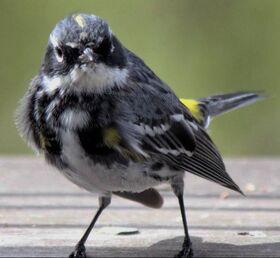
*DISCLAIMER.  WE ARE VERY MUCH AMATEUR BIRDWATCHERS. ​
​THIS  IS  OUR  PROCESS AND NOT NECESSARILY THE BEST PRACTICES BUT IT WORKS FOR US.  SEE BOTTOM OF PAGE FOR SOME AUTHORITATIVE INFORMATION  ON SCIENTIFIC CLASSIFICATION OF BIRDS.
Shape Divider - Style triangle_asymmetrical
Step 1. Take pictures:
We tried identifying from memory and this did not work out too well.  This was especially true for birds that look very similar.  We take pictures. It is important to try to get pictures (or looks if just eyeballing) different areas of the bird: tail, undercarriage, beak (length and size).  We found this out the hard way.  
Picture
The tail feathers color and shape are important to the identification of certain hawks and in the beginning we managed to never get a picture with the tail feather in it!  Now, when we go birding we can often recognize the birds by site and song but we still take pictures anyway to verify. ​
Step 2. Compare and Contrast. 
We take the pictures and compare them to our reference sources to see if there is a match.  The sources we currently use are South Carolina Birds: A folding Pocket Guide to Familiar Species, Merlin App by Cornell University, and iBirdPro APP (available in android and iPhone). Usually this process takes all of us.  I may come up with a match but Abby will then verify (or vice versa).
Picture
​Step 3: Cross-match. 
We take the possible bird matches and cross-match them with our observations which include: behavior here, time of year, and calls/songs in our yard.
Step 4: Log the entry in the "Bird Book​." 
I began by just checking the birds off in my pocket guide (see pictures A and B). Due the the number of birds that began coming, the "scientist" in me needed a better way.  I wanted to document both male and females of a species along with communal groups.   So, I bought a journal and created my "Bird Book" (see picture C).The book had two parts: daily log, and specific birds.  The beginning is a Daily Log (picture D) of general bird activity and any new birds spotted.  The 2nd part, Specific, Birds, was a bird by bird section (pictures E-F). In this part, I used the stickers (see Favorite Bird Stuff) to identify the pages in case I didn't have pictures yet (also, because my youngest child helped with this part).  Log included date(s) seen, pictures from different dates, useful information, and comments about their behavior here.  I also kept a separate picture log by each species and dated each picture (picture G). I would allocate two-four pages per bird but it turns out that is not enough.  I am in the process of transferring these pages into a spiral bound mini-binder where I can add more pages.  
Shape Divider - Style triangle_asymmetrical

SCIENTIFIC CLASSIFICATION OF BIRDS:

As empirical studies and DNA science has progressed the bird classification has also changed.  First published in 1886,  The American Ornithologists’ Union (AOU) is the official  authority on names and classifications of bird species  on the North American continent.  There have been seven  editions , the last of which was published in 1998; however, a supplement is released annually with some changes to last the edition.    These supplements are published every year in the July issue of  The Auk,  The Journal of the American Ornithologists’ Union.  (click link to the left for a checklist updated through the 60th supplement published in 2019.   See links below for  a list of  birds by common name (found on Wikipedia) and a printable list of the wild bird species of North America found in the  last edition published in 1998. 
🔗List of birds by common name.
🔗914  Wild Bird Species of North America

​

For our favorite  Bird Field Guides and Apps for collecting information/checking off your bird list visit: Favorite Bird Stuff

 ALL PICTURES ON THIS SITE WERE TAKEN ONLY BY ABBY, CJ OR ME.  WITH THE EXCEPTION OF THE PHOTOS ON THE BIRDING FIELD TRIP PAGE, ALL PICTURES HAVE ALL BEEN TAKEN IN OUR URBAN BACKYARD/TREES, OR IN THE SKY AND TREES ABOVE OUR HOUSE/NEIGHBORHOOD FROM 2018 TO THE PRESENT.  WE ARE USUALLY BIRDING EVERYDAY BUT ARE ALSO USUALLY BEHIND UPLOADING PICTURES.

 IF YOU WOULD LIKE INFORMATION ABOUT A SPECIFIC PICTURE PLEASE EMAIL US.   COGENTLY, IF WE HAVE ERRONEOUSLY MISLABELED A PICTURE PLEASE BRING IT TO OUR ATTENTION.